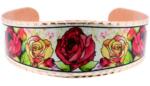
How to Safely Use Chemicals to Make Handmade jewellery
Handling chemicals for handmade jewellery artisans: When using chemicals to make jewelry, you should learn to handle etching & patina chemicals properly. If you are making jewellery and using chemicals, you should know how to handle them properly.
Proper handling of chemicals for artisans is critical.
Etching & patina chemicals could be hazardous. When making jewellery, artisans are often exposed to dangerous and potentially poisonous chemicals. From toxic solutions to noxious fumes, copper jewelry artists should always be safe by knowing the compounds they are working with and the correct usage and disposal procedures.
We make copper jewelry, so we have experimented quite a lot with patinas that use liver of sulphur. Even though the liver of sulphur (potassium polysulfide) is a hazardous substance in its dry form (always read product warning labels), it becomes inert or non-reactive when exposed to air and moisture. It is easily neutralized with baking soda so that the bath can be safely disposed of down the drain. Flush the pipes with water for several minutes afterward. If you do not have access to water in your studio, neutralize the bath with baking soda, pour it into sawdust or kitty litter, let it dry outdoors, and dispose of it in the garbage.
Could you make sure you work with the liver of sulphur (LOS) in a well-ventilated area due to the toxic fumes? Always wear rubber gloves, safety glasses, and use tongs to manipulate your pieces in the LOS bath. You have seen the reaction with metal, so obviously, do not let this acid come into contact with your skin or eyes.
Proper handling of chemicals for artisans. When creating handmade jewelry, if you use chemicals, you should learn how to handle them properly, especially etching & patina solutions. Also, never add any acid to the active LOS bath, or the gas will become highly toxic. Sometimes it is tempting to add other compounds to LOS to observe its effects, such as ammonia (which produces brighter colours), but this should always be done in well-ventilated and controlled conditions.
Proper handling of chemicals for artisans. For unique ideas, another common technique is etching, which uses a nitric acid solution. If you remember high school chemistry class, nitric acid is an aggressive acid, and baking soda is weak. Acids and bases will neutralize each other when mixed, but you will need much more baking soda by volume than nitric acid to reach neutrality because of their different strengths. Baking soda is a necessary supply for all artisans.

Proper handling of chemicals for artisans. When it comes to disposal, the easiest way to neutralize the nitric acid etching solution is to add baking soda to the etching bath until it forms a small mound. The baking soda will bubble like Alka-Seltzer until the acid is neutralized. A mountain of soda usually indicates that enough has been added, and there is no need to test the pH. The acid bath is then neutralized. Dilute with lots of water and pour it over the grass or flowers, since it can help them grow better. The neutralized nitric acid in the solution is a lot like commercial nitrogen fertilizer, and the dissolved copper in the bath will keep the slugs away as well.
Every day we make choices that are a part of the cycle of life. We all live together, sharing one earth. Preserving and protecting our environment requires only knowledge. Take steps now to implement safer, more environmentally friendly practices in your patina jewelry studio and in all aspects of your life.